
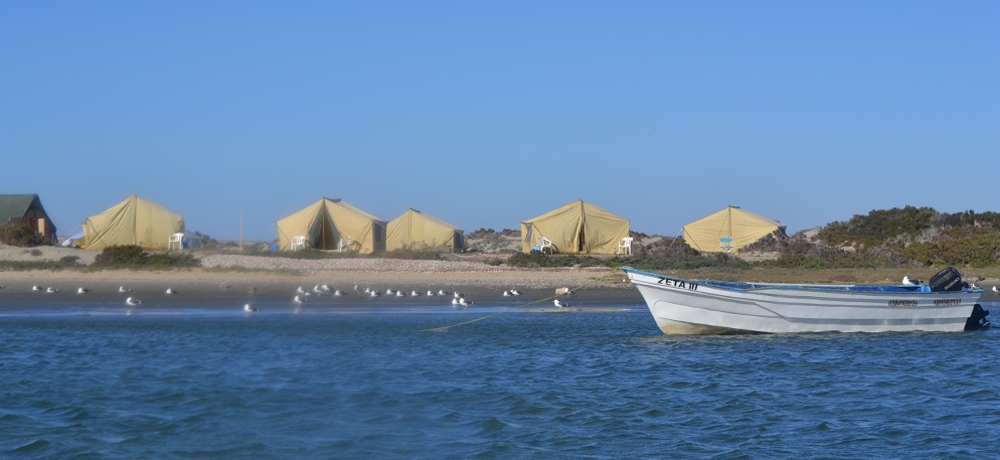
The best Baja whale watching happens between late December and early April, when thousands of gray whales migrate into three sheltered lagoons on the Pacific coast of Baja California to give birth and raise their calves. The top location is Laguna Ojo de Liebre (Scammon’s Lagoon), part of the UNESCO-protected Vizcaíno Biosphere Reserve, where mother whales bring their newborn calves close enough to touch from a small boat.
If you are searching for whale watching in Mexico for the first time, this guide answers the questions that matter most: when to go, where to go, what it costs, and what actually happens when you are sitting in a boat and a 40-foot gray whale surfaces beside you.
Baja Whale Watching at a Glance
| Question | Answer |
| Best season | Mid-January through late March |
| Peak calving period | Mid-February to mid-March |
| Main location | Laguna Ojo de Liebre, Baja California Sur |
| Alternative locations | Laguna San Ignacio, Bahía Magdalena, Loreto (blue whales) |
| Species most commonly seen | Gray whales, with blue, fin, and humpback whales near Loreto |
| Typical trip length | 4 to 10 days |
| Typical price range | $2,995 to $5,195 per person |
| Protected status | UNESCO World Heritage Site, Whale Sanctuary of El Vizcaíno |
When Is the Best Time for Whale Watching in Baja?
Gray whales complete one of the longest migrations of any mammal on Earth, traveling roughly 5,000 to 6,000 miles one way from the Bering Sea and Arctic feeding grounds to the warm, sheltered lagoons of Baja California. The migration follows a predictable pattern each year.
| Period | What Happens |
| Late December to mid-January | First whales arrive in the lagoons |
| Mid-January to mid-February | Population builds, early births begin |
| Mid-February to mid-March | Peak season, lagoons filled with mothers and calves |
| Mid-March to early April | Whales begin the journey north, close encounters often increase |
Many first-time visitors assume the middle of the season is automatically best, but late-season trips (mid to late March) often produce more curious, approachable whales, even though total whale counts are lower. Fewer boats and calmer, more settled mother-calf pairs tend to mean friendlier encounters.
Where to Go: Comparing the Baja Whale Watching Lagoons
Not all Baja whale watching locations offer the same experience. Three lagoons host the migration, and each has a different character.
| Location | What Makes It Different |
| Laguna Ojo de Liebre (Scammon’s Lagoon) | Closest lagoon to the US border, largest whale population, three viewing zones, dock access instead of wading into boats |
| Laguna San Ignacio | Smaller, single viewing zone limited to 16 boats, requires wading out through mud to reach the pangas |
| Bahía Magdalena | Southernmost lagoon, generally the lowest whale counts of the three |
| Loreto, Sea of Cortez | Not a gray whale lagoon; this is where blue whales, fin whales, and humpbacks gather during winter |
Laguna Ojo de Liebre consistently holds the highest concentration of whales of the three lagoons, according to Mexican government census data collected across the 2024 and 2025 seasons. It is also the lagoon mother whales most often choose to give birth, likely because of its calm, sheltered water close to the lagoon mouth. For travelers who want to combine a gray whale lagoon with an open-water blue whale expedition, multi-day trips out of Loreto pair both experiences into a single itinerary.
What You Will See: Whales and Wildlife of Baja California
Gray whales are the headline species, but the Sea of Cortez and the Pacific lagoons support one of the richest concentrations of marine mammals anywhere in the world.
- Gray whales: The primary species in the lagoons, known for curiosity toward boats and close approaches by mothers and calves.
- Blue whales: The largest animal to have ever lived, reaching nearly 100 feet and 160 tons, seen seasonally near Loreto.
- Fin whales: The second-largest whale species, often seen feeding in small groups alongside blue whales.
- Humpback whales: Known for breaching and acrobatic surface behavior.
- Dolphins, sea lions, and orcas: Commonly seen throughout the Sea of Cortez, often in pods numbering in the hundreds.
- Seabirds: Pelicans, frigate birds, and blue-footed boobies are frequent sights along the coastline.
For a full species breakdown, including migration timing and behavior notes gathered from decades of field observation, see the complete guide to whale species and wildlife in Baja California.
Why Do Gray Whales Approach the Boats?
This is the question almost every first-time visitor asks, and it is the single biggest reason Laguna Ojo de Liebre draws so much attention. Gray whales in this lagoon are often described as “friendly whales,” a behavior rarely seen in any other whale species or location.
The most widely accepted explanation ties back to the lagoon’s role as a nursery. Mother whales bring their calves into the shallow, protected water specifically because it is safe from predators like orcas. In that low-stress environment, calves are naturally curious, and mothers appear to tolerate, and sometimes encourage, close contact with boats. Guides who have spent decades on this water, including Baja Jones Adventure Travel founder Keith Jones, who has followed the migration since 1994, describe watching mothers guide their calves toward boats before gently steering them away once the calf has had a look.
This is different from simply seeing whales in the distance. In Laguna Ojo de Liebre, a close encounter typically means the whale initiates the approach, not the boat.
Boat Tour or Whale Watching Camp: What’s the Difference?
Most people picture Baja whale watching as a single boat trip lasting a few hours. That is one option, and it is common in Cabo San Lucas and other resort towns further south. But the lagoons themselves are remote, and the highest-rated experiences are multi-day camps set up directly on the shore.
A lagoon-side whale watching camp means:
- Falling asleep and waking up to the sound of whales breathing in the lagoon
- Two boat trips scheduled on most whale watching days, rather than a single outing
- More flexibility if weather delays one trip, since the season includes multiple attempts
- A dock launch instead of wading through mud to board the boat, which matters in Baja’s cool winter mornings
A single boat tour from a coastal town can still be worthwhile for travelers with limited time, but it typically means one shorter outing rather than several days of repeated encounters.
Responsible Whale Watching in Baja
Laguna Ojo de Liebre and Laguna San Ignacio sit inside the Vizcaíno Biosphere Reserve, part of the UNESCO World Heritage Site known as the Whale Sanctuary of El Vizcaíno. This is Mexico’s largest protected natural area and the largest wildlife refuge in Latin America.
Whale watching inside the reserve is regulated to protect the whales during their most sensitive breeding and calving period. Responsible operators follow rules that include:
- Licensed, permitted boat operators only
- Time limits for how long a boat can stay near a whale group
- Protected refuge zones where boats are not permitted at all
- Controlled, gradual approaches that let the whale decide whether to come closer
These regulations exist because the lagoons are not just a tourist attraction. They are one of the only undeveloped nursery and breeding grounds left for gray whales anywhere in the world. Choosing an operator that follows these practices, and understanding why the rules exist, is part of what makes responsible whale watching in Baja California sustainable for the whales that return here every winter.
Planning Your Trip: Season, Pricing, and Logistics
Baja whale watching trips are typically sold as multi-day packages of 4 to 10 days, combining travel days with two or more whale watching outings. Prices generally rise as each date fills, so early booking usually means a lower price and better access to limited upgrade accommodations.
| Trip Length | Whale Watching Days | Typical Price Range |
| 4 days, 3 nights | 2 days on the water | $2,995 to $4,095 |
| 5 days, 4 nights | 3 days on the water | $3,895 to $4,295 |
| 6 days, 5 nights | 4 days on the water | $3,795 to $4,595 |
| 8 to 10 days | 6 to 8 days on the water (gray and blue whale combo) | $4,595 to $5,195 |
Travel to the lagoon usually starts from San Diego or Yuma, either by a short flight followed by a ground transfer, or by direct ground transport across the border. Full trip dates, prices, and travel options are listed on the 2027 whale watching schedule.
Frequently Asked Questions
What is the best month for Baja whale watching?
Mid-February through mid-March is peak season, when the highest number of mothers and calves are in the lagoons. Late March often produces fewer total whales but more curious, close encounters.
Is Baja whale watching safe for children and solo travelers?
Yes. Licensed operators run standard boat tours suitable for families, though some multi-day adult-only departures exist during the busiest weeks. Most camps, including Gray Whale Camp, do not charge solo travelers a single supplement fee.
How close do gray whales actually get to the boats?
In Laguna Ojo de Liebre, it is common for calves and mothers to approach boats on their own and surface within arm’s reach. This is not guaranteed on every outing, but it happens regularly during peak season.
What is the difference between whale watching in Baja and whale watching in Mexico’s other coastal regions?
Baja’s lagoons are gray whale nurseries, offering close, calm-water encounters with mothers and calves. Other Mexican whale watching destinations, such as the Pacific coast near Puerto Vallarta or the Sea of Cortez near Loreto, generally involve open-water sightings of humpback, blue, or fin whales rather than lagoon-based gray whale encounters.
Do I need a permit to go whale watching in Baja?
No. Licensed tour operators hold the required government permits to operate inside the Vizcaíno Biosphere Reserve. Independent boat access to the protected whale zones is restricted.
Can I see blue whales and gray whales on the same trip?
Yes. Combination itineraries pair a stay in the gray whale lagoon with an open-water expedition near Loreto, where blue, fin, and humpback whales gather during the winter months.
How many gray whales are in the lagoons each season?
Counts vary by year and by month. Mexican government census data from the 2024 and 2025 seasons recorded totals ranging from roughly 40 whales early in the season to over 750 whales at peak in Laguna Ojo de Liebre alone.
What should I pack for a Baja whale watching trip?
Layered clothing is essential. Mornings on the water are cool, often in the 50s Fahrenheit, while afternoons on shore can be warm. A waterproof bag for cameras and phones is strongly recommended for boat trips.
Start Planning Your Baja Whale Watching Trip
Whale watching in Mexico’s Baja lagoons is a seasonal window that closes by early April each year. Whether the priority is the highest concentration of whales, the closest encounters, or a combined gray and blue whale itinerary, choosing the right lagoon and the right season makes the difference between watching whales from a distance and having one surface beside your boat. View the 2027 trip schedule and pricing, or learn more about the camp experience on Laguna Ojo de Liebre to start planning.