
October 12, 2026/
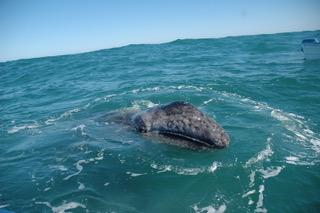
Across Baja’s lagoons, mid-February to late March is often one of the strongest windows for gray whale watching. Whale numbers are usually high, mothers and calves...
Across Baja’s lagoons, mid-February to late March is often one of the strongest windows for gray whale watching. Whale numbers are usually high, mothers and calves...
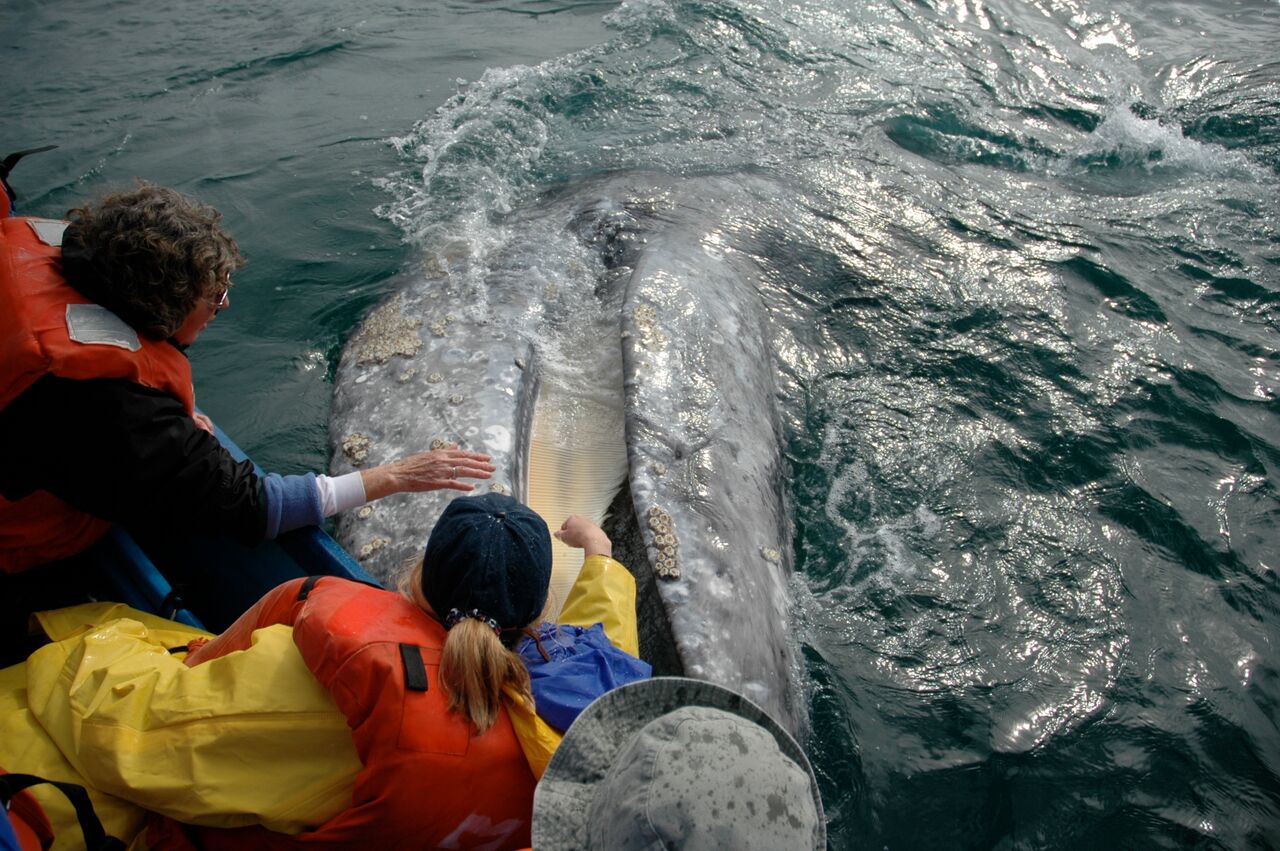
The answer up front: For the chance of close, voluntary approaches, Baja’s gray whale lagoons are Mexico’s standout, usually from February to March. For humpback breaches,...

Meet the Gray Whales of Baja: 12 Facts That Make Them Extraordinary In short: Gray whales travel from Arctic feeding grounds to the warm lagoons of Baja...
Planning a Whale Watching Trip to Baja is much easier when you know what to organize before you go. The key is to choose dates within the...
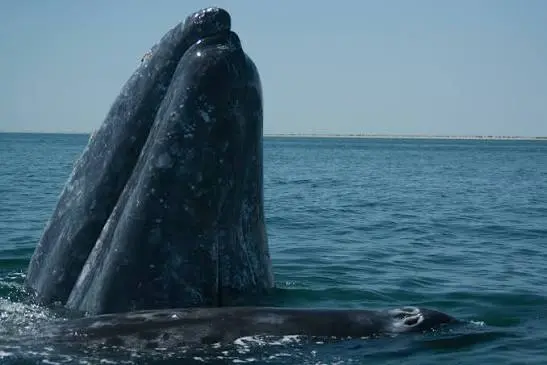
Choosing Between Whale Watching Tours? Ask These 9 Questions First Bottom line: Good whale watching tours use licensed local captains, follow Mexico’s federal whale watching rules, keep...
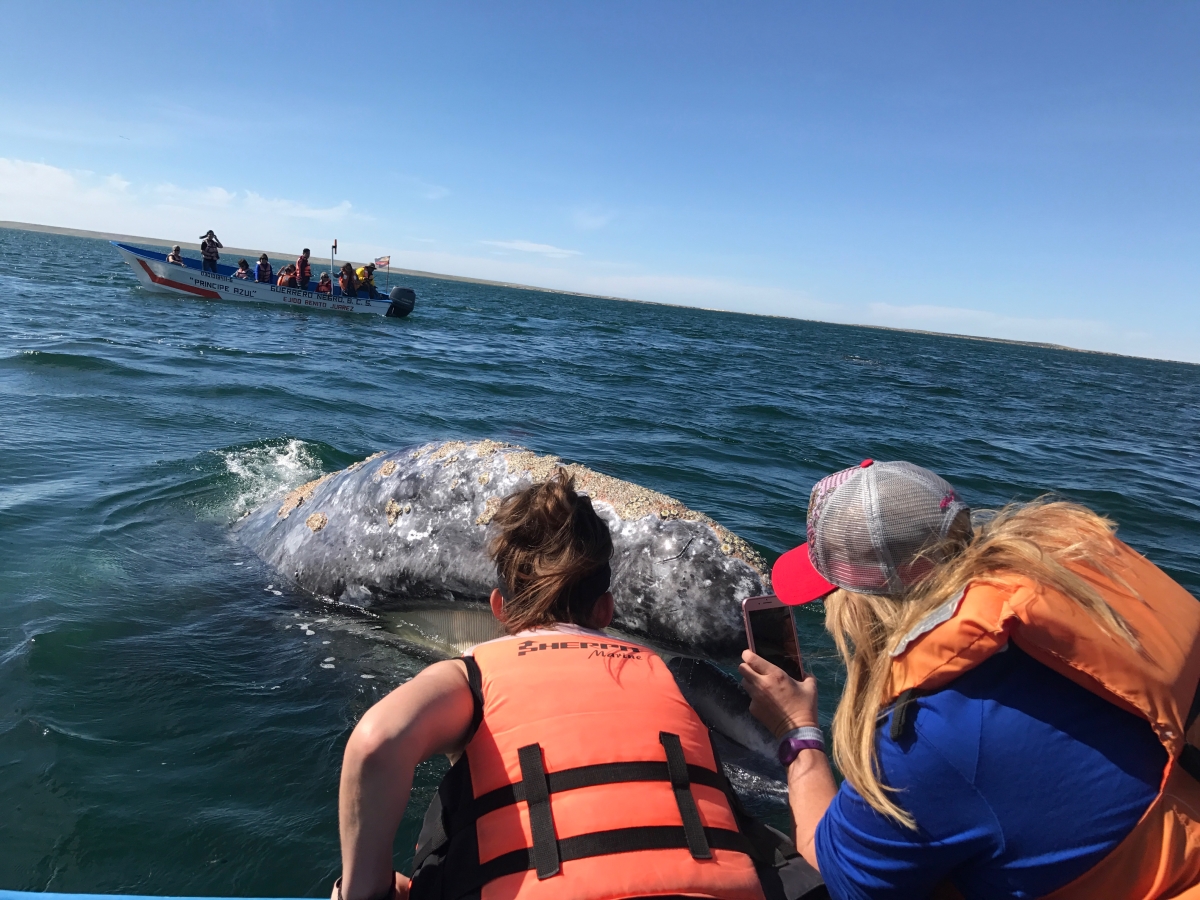
A whale-watching day at Gray Whale Camp is built around the lagoon. Our schedule generally includes two boat trips of 2 to 3 hours each, weather...
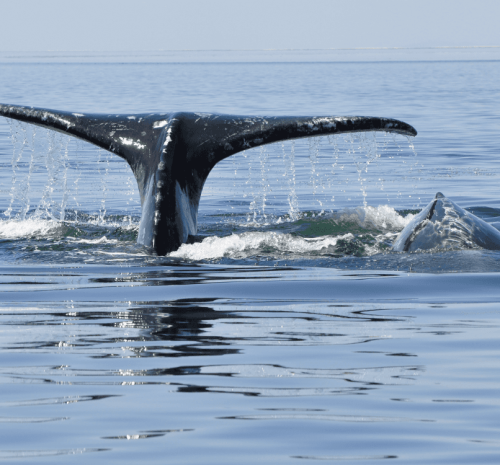
Whale watching in Loreto is best known for blue whales, the largest animals ever to live, which often feed in and around Loreto Bay National Park...
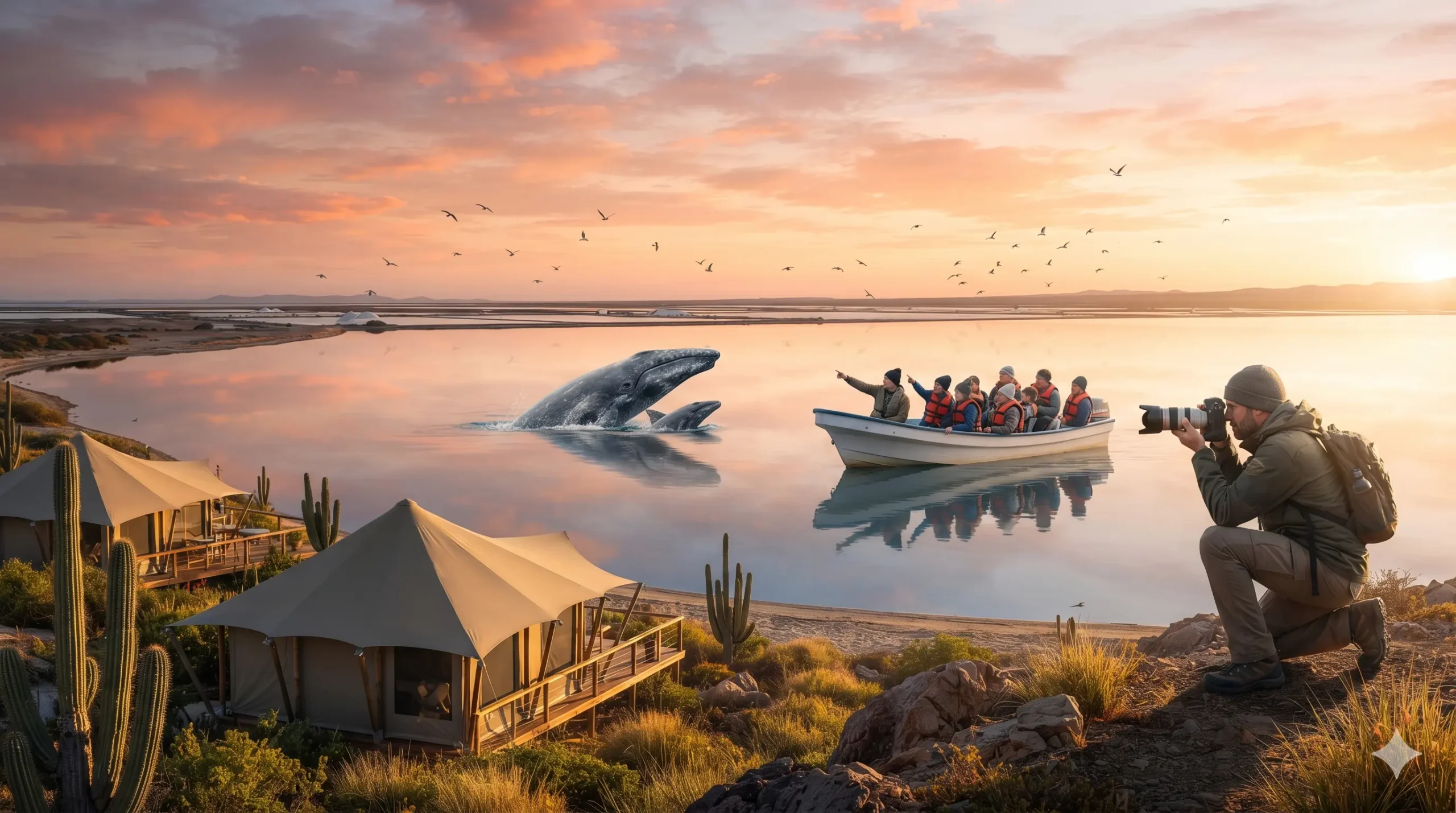
Baja California Sur has three main gray whale breeding lagoons. Laguna Ojo de Liebre usually hosts the largest number of gray whales and is close to...

The right gray whale camp for you is one that clearly explains where it operates, how much time you get on the water, who leads the...