
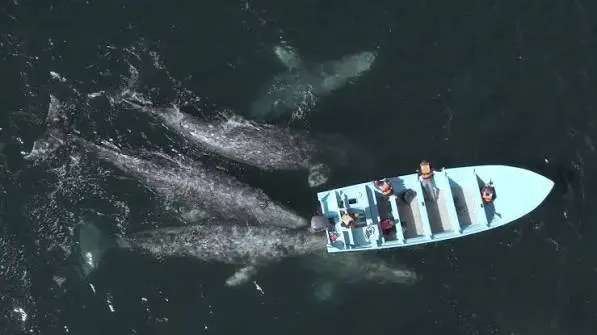
Gray whale watching in Baja California offers close encounters with migrating whales (December-April) in protected lagoons like Ojo de Liebre and Laguna San Ignacio. Lagoon-based camps provide unforgettable experiences with whales surfacing near boats and feeding in shallow water. Unlike typical boat tours (2-3 hours from land), lagoon camps immerse you in the whale migration for 3-5 days with heated accommodations, expert guides, and high success rates for close encounters. Average trip cost is $2,500-4,500 per person including meals and lodging.
Why Gray Whales Make Baja California Their Migration Destination
Every winter, one of Earth’s most remarkable animal migrations unfolds in Baja California. Nearly 20,000 gray whales travel 12,000 miles from Arctic feeding grounds to breeding and calving lagoons in Mexico. Understanding why Baja matters helps you appreciate the profound experience of witnessing this journey.
The Gray Whale Migration: An Epic Journey
The Arctic Summer (May-October): Gray whales spend summer in the Arctic waters of Alaska and Russia, feeding in nutrient-rich waters. They consume up to 4 tons of food daily, building fat reserves for the long journey ahead.
The Migration South (October-December): As Arctic waters freeze, whales depart on an 8-week, 6,000-mile journey south. They swim day and night, stopping occasionally to rest and feed. Whales travel in pods, using coastal landmarks to navigate south along the California and Baja coasts.
Breeding and Calving (December-April): Whales reach warm Baja lagoons to breed (first year) and give birth to calves (second year). The warm, shallow lagoons provide protection from predators and ideal conditions for newborn calves to grow strong.
The Migration North (February-June): After 2-3 months in Mexican waters, whales begin the northbound journey, with mothers and calves traveling together. Young calves nurse constantly, gaining weight for the long Arctic summer ahead.
Why Baja Lagoons Are Critical
Perfect conditions for whale mothers and calves:
- Warm water (63-70°F) vs cold Arctic waters
- Shallow lagoons (10-30 feet) where calves stay safe from predators
- Rich plankton for feeding
- Protection from ocean waves and wind
Laguna Ojo de Liebre specifically:
- Largest gray whale lagoon in the world
- Consistently holds 4,000-6,000 whales peak season
- Mother whales choose this lagoon to raise calves
- Shallow water creates intimate viewing opportunities
- Vizcaíno Biosphere Reserve protection ensures whale safety
This migration is one of the longest mammal migrations on Earth. Witnessing it in Baja is witnessing one of nature’s greatest spectacles.
Gray Whale Watching in Baja: Two Fundamentally Different Experiences
When planning a whale watching trip, understand the dramatic difference between standard boat tours and immersive lagoon-based experiences.
Standard Boat Tours from Land (2-3 hours)
What you get:
- Launch from coastal towns (Guerrero Negro, Puerto San Carlos)
- 2-3 hour boats rides in open ocean
- Brief whale spotting (if whales are present)
- Return to town same day
Advantages:
- Lower cost ($150-300 per person)
- Quick time commitment
- Easy for travelers with limited time
- Less physical demand
Disadvantages:
- High wind and rough waters common
- Whales are distant (100+ feet away)
- Low close-encounter probability
- Cramped boats with many people
- One-time perspective vs immersive experience
- Weather often cancels trips
Best for: Travelers with limited time, budget-conscious visitors, skeptics wanting quick test
Lagoon-Based Whale Watching Camps (3-5 days)
What you get:
- Stay overnight at campsites on lagoon shore
- Multiple full days (6-8 hours daily) on the water
- Camp immersion: wake to whale sounds, meals together, expert naturalists
- Heated accommodations and private cabins
- High probability of multiple close encounters
- Expert guides with 25+ years experience
- Meals and activities included
Advantages:
- Intimate, repeated close encounters
- Calm lagoon water (unlike open ocean)
- Young whales approach boats on their own
- Experienced naturalist guides
- All-inclusive (meals, lodging, guides)
- Small group size (12-20 people)
- 95%+ encounter success rate
- Physical and emotional immersion in nature
- Solo traveler welcome (no single supplement)
Disadvantages:
- Higher cost ($2,500-4,500 per person)
- 3-5 day time commitment
- Requires travel to remote location
- Moderately strenuous boat time
- Limited availability (December-April only)
Best for: Wildlife enthusiasts, life-list checkers, photographers, spiritual seekers, serious nature lovers
The Gray Whale Migration Season: When to Visit Baja
Timing your visit determines what whale behaviors and family structures you’ll witness.
Migration Timeline and What You’ll See
November-December: Southbound Migration
- Whales arriving from Arctic
- Mostly adults and juveniles
- Less breeding/mating activity yet
- Best for: Viewing migrating adults
- Boat activity: Moderate
- Water temperature: Starting to warm (62-65°F)
January-February: Peak Breeding and Early Calving
- Peak numbers in lagoons (4,000-6,000 whales)
- Breeding activity visible
- First calves being born
- Mature whales in prime condition
- Best for: Maximum whale density, breeding behavior observation
- Boat activity: Highest (most encounters)
- Water temperature: Warmest (65-70°F)
March-April: Late Calving and Early Northbound
- Newborn calves visible
- Lactating mothers nursing calves
- Northbound journey beginning
- Some whales departing
- Best for: Seeing calves, intimate mother-calf interactions
- Boat activity: Still very high
- Water temperature: Still warm (64-68°F)
May-June: Northbound Migration
- Whales traveling north with calves
- Fewer whales remain in lagoons
- Extended trip day (some whales cover 50+ miles daily)
- Best for: Migration journey observation
- Boat activity: Lower
- Water temperature: Cooling (62-65°F)
Optimal Whale Watching Months
Best overall: January-February (peak numbers, warm weather, breeding activity) Best for calves: March-April (more calves visible, emotional experiences) Best for photography: January-March (most predictable whale activity) Best for weather: February-March (generally calmest conditions)
What to Expect: A Typical Day at Baja Gray Whale Camp
Understanding the rhythm of a lagoon-based whale watching experience helps you prepare mentally and physically.
Morning Ritual (5:00-7:00 AM)
Pre-dawn wake-up: You hear whale sounds through the night. Gray whales exhale forcefully, creating audible “pshhhh” sounds carrying across the water. Morning brings increased activity.
Breakfast (6:00 AM): Communal meal with other travelers. Guides discuss previous day’s encounters and today’s plan. Talk turns to anticipation and previous whale encounters.
Boat preparation (7:00 AM): Board 20-25 person open boats. Life jackets, sun protection discussed. Guides brief you on whale behavior, safety, and what to expect.
On the Lagoon (7:30 AM – 12:30 PM)
Active whale time:
- Guides navigate toward whale pods
- Whales approach boats on their own (especially calves)
- Whales surface frequently (every 3-10 minutes)
- Close encounters (sometimes within arm’s reach)
- Photography opportunities abundant
- Naturalist guides explain whale behavior live
What you might see:
- Whales breaching (full body out of water)
- Spyhopping (head raised vertical)
- Feeding behavior (mouth open for plankton)
- Mother-calf interactions
- Mating behavior (males competing)
- Calves playing near boats
Physical experience:
- Boat movement as whales surface nearby
- Water splashing from whale activity
- Close observation of whale anatomy (barnacles, scars, eye contact)
- Emotional connection as whales acknowledge boats
Midday Break (12:30 – 2:00 PM)
Return to camp:
- Lunch
- Rest, warm up
- Photo review
- Naturalist talk about whale migration/biology
- Nap opportunity
Afternoon Session (2:00 – 5:30 PM)
Second boat time:
- Often more whales active (especially calves)
- Afternoon light better for photography
- More intimate whale interactions
- Less boat traffic
- Higher probability of rare behaviors
Camp return and evening:
- Dinner together
- Sunset viewing
- Star gazing (minimal light pollution)
- Campfire stories from guides
- Reflection on day’s experiences
Gray Whale Behavior: What You’ll Witness and Why It Matters
Understanding whale behavior enriches your experience tremendously.
Breaching
What it is: Whale launches entire body (30+ tons) out of water with tremendous force.
Why they do it: Scientists debate – possibly to remove parasites, communicate, play, or show dominance. Likely multiple reasons.
What you’ll experience: Explosive force, water cascade, heart-stopping moment when whale lands back in water (can create waves 20+ feet). Occurs most with juveniles and playful calves.
Spyhopping
What it is: Whale positions vertically in water, raising head above surface.
Why they do it: Possible surveillance behavior (observing boats or shore), curiosity, or social communication.
What you’ll experience: Eerie moment of direct eye contact with whale. Head alone can be 5 feet across. Humanizing moment when you lock eyes with massive wild animal.
Fluking
What it is: Whale raises tail fluke high before diving deep.
Why they do it: Provides leverage for deep dives, often indicates extended dive (30-40 minutes).
What you’ll experience: Viewing enormous tail fluke (up to 16 feet wide) at close range. Understanding immense power and grace.
Mother-Calf Interaction
What it is: Mothers and newborn calves swimming together, with calves frequently breaching and playing.
Why it matters: Calves nurse (gray whale milk is incredibly rich in fat, allowing rapid growth). Mothers guard calves fiercely from predators.
What you’ll experience: Emotional observation of maternal care. Calves often approach boats with curiosity, mothers supervising nearby. Intimate window into whale family dynamics.
Planning Your Baja Gray Whale Watching Trip: Practical Guide
Pre-Trip Preparation (2-3 Months Ahead)
Physical preparation:
- Whale watching requires boat time (6-8 hours daily)
- Moderate physical exertion climbing in/out of boats
- Fitness level: moderate is sufficient
- Practice: stair climbing, walking will prepare you
What to pack:
- Layers (Baja mornings cold, afternoons warm)
- High SPF sunscreen (reflected sun is intense)
- Hat and sunglasses (essential)
- Waterproof jacket (spray from nearby whales common)
- Non-slip shoes (wet boat decks)
- Camera with good zoom (if photographing)
- Medications (prescription needs)
- Toiletries (remote camp amenities basic but clean)
- Binoculars (optional, guides provide viewing)
Travel logistics:
- Passport valid (US/Canada/EU need passport for Mexico)
- Travel insurance recommended
- Book accommodations 3-6 months ahead (limited capacity)
- Plan flights to Baja region
- Arrange ground transportation to camp
Getting to Baja Gray Whale Camp
Fly to:
- Guerrero Negro (closest, 45 minutes to camp) – limited flights
- La Paz (3-4 hours to camp) – more flight options
- Loreto (4 hours to camp) – boutique hotel area
Ground transport:
- Arrange through camp operator (most reliable)
- Rental car (possible but remote roads)
- Private driver (easier for group)
Best Groups/Experience Level
Who should go:
- Wildlife enthusiasts (any age with moderate fitness)
- Photographers (boat positioning perfect for close shots)
- Nature lovers seeking immersive experiences
- Bucket-list travelers
- Spiritual/mindfulness seekers
- Solo travelers (special welcome)
Age considerations:
- Children (8+) feasible with active parents
- Teens love the experience
- Adults (20-80) participate successfully
- Seniors (80+) possible if mobility good
- Pregnant women should consult guide
Cost Breakdown: What You Pay for Baja Whale Watching
Understanding true cost of ownership helps you plan and evaluate value.
Lagoon Camp Cost (3-4 Days)
| Cost Item | Typical Range |
| Camp lodging (3 nights) | $800-1,200 |
| Meals (included with camp) | Included |
| Boat tours (2-3 daily) | Included |
| Expert guides | Included |
| Airport transfers | $150-300 |
| Flights to Baja | $300-800 (varies by location) |
| Tips for guides (recommended) | $100-200 |
| TOTAL ESTIMATED | $2,500-4,500 |
Boat Tour from Town (Day Trip)
| Cost Item | Typical Range |
| Boat tour only | $150-300 |
| Lunch | $15-30 |
| Hotel (if staying overnight) | $100-200 |
| Transportation to/from boat | $20-50 |
| TOTAL ESTIMATED | $300-600 |
Cost Per Encounter
Lagoon camp: ₹40,000-75,000 ($2,500-4,500) / 3-5 days = ~$500-1,500 per day for immersive multi-encounter experience
Day boat tour: $150-300 / 1-2 hour = $100-300 per hour (assumes whale spotted)
Value analysis: Lagoon camp costs more upfront but provides multiple close encounters over days, with meals, lodging, and expert guidance. Day tour costs less but is one-time, one-location experience with lower encounter probability.
Frequently Asked Questions About Baja Gray Whale Watching
Is whale watching safe? Could whales attack boats?
Gray whales are gentle filter-feeders eating only plankton. They’ve never been known to attack boats maliciously. Whales approach boats out of curiosity. Accidents are rare, mainly from whale tail flukes near small boats or boat collisions with whales. Following responsible whale watching guidelines (which reputable operators follow) keeps everyone safe.
What if we don’t see whales?
Reputable lagoon-based operators guarantee sightings or offer free return trips. Success rates 95%+ during peak season (January-March) because operators work within established whale feeding areas. Day boat tours have lower guarantee rates (no show possible with rough seas or if whales move).
Is lagoon-based whale watching appropriate for children?
Yes, with considerations. Children 8+ with good swimming ability and comfort in small boats do well. Tours are not rough (lagoons are calm). Lifejackets required. Physical challenge is moderate (sitting in boat 6-8 hours daily, climbing in/out). Emotional payoff enormous – most kids never forget whale encounters.
Can I photograph whales? Will I get good shots?
Yes, excellent photography possible. Whales approach 10-30 feet away. Telephoto lens helpful but not required. Guides position boat for best angles. Smartphone photos capture decent images. Professional photographers often get stunning shots. Weather and light affect photo quality.
What’s the difference between gray whales, blue whales, and humpback whales?
Gray whales: 45-50 feet, migrate long distances, visit Baja breeding lagoons. Blue whales: 80-100 feet, not breeding animals (not in Baja lagoons), rare to see. Humpback whales: 45-55 feet, different migration patterns, not breeding in Baja. Gray whales are specifically what Baja lagoon-based camps focus on.
Can I book a custom trip for a group?
Yes, many operators (including Gray Whale Camp) offer group bookings with custom dates. Groups 10-20 people book private experiences. Contact operators directly for group rates and scheduling.
Is travel to Baja safe for tourists?
Baja tourism is generally safe for whale watching travelers. Reputable operators (25+ years in business) have excellent safety records. Avoid displaying valuables in towns. Stay with organized groups. Don’t stray from designated areas. Common sense travel safety applies.
What’s the best month overall for whale watching?
January-February combines: peak whale numbers (4,000-6,000 per lagoon), warm water, visible breeding activity, calm weather, and high encounter probability. March-April offers similar experiences with more calves visible. December and May work but have slightly lower encounter rates.
Making Your Baja Whale Watching Decision
Whale watching in Baja represents more than a vacation. It’s an encounter with one of Earth’s greatest migrations and intelligence.
Choosing Your Experience Type
Choose day boat tour if:
- Time is extremely limited (only 1-2 days in Baja)
- Budget is under $500
- You’re skeptical and want low-commitment test
- You prefer town-based activities
Choose lagoon camp if:
- You can dedicate 3-5 days
- You value immersion and multiple encounters
- You want expert naturalist guides
- You seek spiritual/transformative experience
- You’re serious wildlife enthusiast or photographer
- You want memories lasting a lifetime
The Bigger Picture
Gray whale watching in Baja isn’t just animal observation. It’s witnessing:
- One of Earth’s longest animal migrations (12,000 miles)
- Maternal care in one of Earth’s largest animals
- Survival strategies honed over millions of years
- Ecosystem health (whales indicate ocean prosperity)
- Connection between Arctic ice and Baja lagoons
- Interdependence of life across hemispheres
This perspective elevates whale watching from tourist activity to ecological awakening.
Ready to Experience Baja Gray Whale Watching?
The 2027 whale watching season books quickly. Lagoon camps fill 3-6 months ahead. Booking now secures your spot for an unforgettable encounter with Earth’s greatest mammal migration.
Work with experienced operators who’ve run these camps for 25+ years with proven track records and genuine commitment to responsible whale watching.
Book Your Baja Whale Watching Adventure – Reserve your spot for close gray whale encounters in Laguna Ojo de Liebre, the world’s largest gray whale lagoon.
Or contact directly:
- Phone: +1 (626) 512-0877
- Email: keith@jonesadventures.com
- Website: graywhalecamp.com