
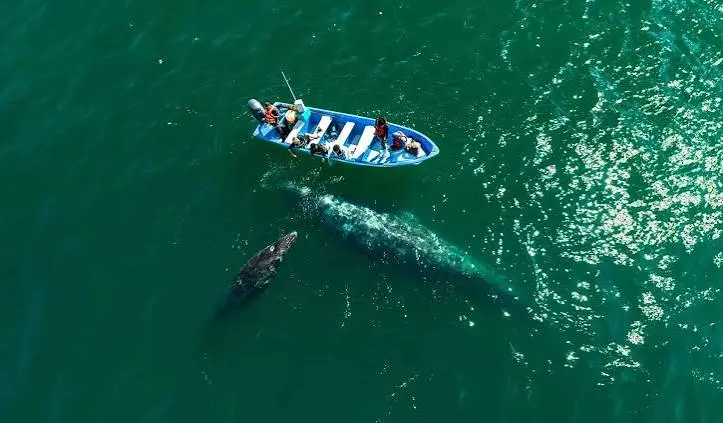
Quick answer: The best whale watching in Mexico happens in Baja California’s gray whale lagoons, mainly Ojo de Liebre (Scammon’s Lagoon), San Ignacio Lagoon, and Magdalena Bay, between December and April, with peak activity from January through March. Gray whales travel here after one of the longest migrations of any mammal to give birth and nurse their calves in calm, protected water, and in these specific lagoons whales are known for approaching boats on their own, a behavior rarely seen anywhere else in the world.
If you searched for whale watching in Baja or Mexico whale watching, you are most likely deciding between a short day-trip boat tour and a longer, lagoon-based experience, and trying to figure out the right season and location. This guide covers both, along with what a trip typically includes and how to evaluate an operator before booking.
Why Baja Is Mexico’s Premier Whale Watching Destination
Mexico has whale watching opportunities in several regions, including humpback whale sightings off Los Cabos and the Pacific coast near Puerto Vallarta. But Baja California’s Pacific-side lagoons hold a different distinction: they are among the only places on Earth where gray whales reliably approach small boats voluntarily, a behavior first documented by researchers and fishermen in these same lagoons decades ago. That combination of guaranteed seasonal presence, shallow protected water, and unusually close, calm encounters is what sets Baja apart from whale watching almost anywhere else in the country, or the world.
The lagoons sit within the Vizcaíno Biosphere Reserve, part of a UNESCO World Heritage Site recognized specifically for its role as a whale sanctuary, which reflects how significant this stretch of coastline is for the species’ survival.
Where Gray Whales Go in Baja: The Three Main Lagoons
| Lagoon | General Location | Known For |
| Ojo de Liebre (Scammon’s Lagoon) | Near Guerrero Negro, Baja California Sur | Highest concentration of nursing gray whale mothers and calves in the region |
| San Ignacio Lagoon | Central Baja California Sur | Widely documented “friendly whale” encounters, protected estuary conditions |
| Magdalena Bay | Pacific coast, southern Baja California Sur | Larger bay system, also used by whales for calving and nursing |
All three lagoons are part of the same gray whale migration and calving pattern, so the choice between them usually comes down to which operator you book with and how the trip is structured, whether that’s a day tour from a nearby town or a multi-day camp directly on the lagoon.
Why Gray Whales Choose These Lagoons
Gray whales complete one of the longest migrations of any mammal, travelling roughly 10,000 to 12,000 miles round trip between their Arctic feeding grounds and these Baja lagoons. They come specifically to give birth and nurse young calves in calm, shallow, predator-protected water before the long journey back north. This same migration and calving pattern is also why the season is so predictable: whales arrive through December, numbers build through the winter, and peak activity runs January through March before whales begin heading north again by April.
Boat Tour vs Lagoon Camp: Two Different Ways to Experience It
- Day-trip boat tours typically depart from a coastal town, spend a few hours on the water, and return the same day. This suits travelers with limited time or those combining whale watching with other Baja activities.
- Lagoon-based camps put you directly on the water for multiple days, often in tents or cabins near the lagoon itself, with repeated boat expeditions rather than a single outing. This suits travelers who want more time on the water and a higher likelihood of a close, memorable encounter rather than one short trip.
A multi-day camp experience, like staying directly on Ojo de Liebre lagoon within the Vizcaíno Biosphere Reserve, generally offers more expeditions per stay and a calmer pace than a single day tour, since you are not rushing to and from a departure town each day.
What a Typical Multi-Day Whale Watching Trip Includes
| Usually included | Sometimes included | Rarely included |
| Guided boat expeditions | Round-trip transport from a nearby airport | International flights |
| Accommodation (tents or cabins) | Single-traveler pricing without a supplement fee | Personal travel insurance |
| Meals during the stay | Wildlife interpretation/education sessions | Alcohol |
| Basic camp amenities (heating, hot water) |
Always confirm exactly what’s bundled into the trip price before booking, since a lower headline price on a shorter tour can still leave out transport or meals that a longer camp package includes by default.
How to Choose a Responsible Whale Watching Operator
Not every whale watching operator follows the same standards, and this matters both for the animals and for the quality of your experience. Before booking, it’s worth checking for:
- Years of operating experience in the specific lagoon, not just Baja generally. An operator with decades of experience in one lagoon tends to understand whale behavior and timing far better than a general tour aggregator.
- Small boat sizes and guide-led protocols, since gray whale encounters work best, and stay respectful of the animals, in smaller groups with experienced guides rather than large crowded vessels.
- Location within or near the protected biosphere reserve, which generally signals closer proximity to where whale activity actually concentrates.
- Clear season and departure dates, since gray whale presence is highly seasonal and a vague “year round” claim is a red flag for this specific species.
You can see how this looks in practice on the gray whale watching camp page in Baja, which lays out the lagoon location, trip structure, and what’s included in a multi-day stay.
Frequently Asked Questions
What is the best month for whale watching in Baja?
January through March is generally considered peak season, when the highest number of gray whales, including mothers with calves, are present in the lagoons. The full season runs from December through April.
Is Baja better than other parts of Mexico for whale watching?
For gray whales specifically, yes. Baja California’s Pacific lagoons are among the only places in the world where gray whales reliably approach boats on their own, which is a different experience from humpback whale sightings elsewhere in Mexico.
How close do gray whales actually get to the boats?
In lagoons like Ojo de Liebre and San Ignacio, whales, especially calves, are well known for approaching boats voluntarily and coming close enough for guests to see them clearly, though the whale always chooses the interaction, not the boat.
Do I need to book a multi-day trip, or is a day tour enough?
It depends on your priorities. A day tour is enough for a shorter visit or a first look, while a multi-day lagoon camp offers more expeditions and generally a better chance at an extended, close encounter, since you’re not limited to a single outing.
Are gray whale watching trips safe for families?
Generally yes, since these tours use small boats and experienced guides specifically because gray whales in these lagoons are known for calm, curious behavior around vessels, but always confirm age recommendations and safety protocols directly with the operator.
Is there whale watching in Baja outside of gray whale season?
Yes, some operators run separate expeditions for other species, such as blue whales, during different months of the year, so it’s worth checking an operator’s full season schedule rather than assuming gray whale season is the only option.
Key Takeaways
- Baja California’s lagoons, especially Ojo de Liebre, San Ignacio, and Magdalena Bay, are the core of Mexico’s whale watching reputation, driven by gray whales’ unusual tendency to approach boats voluntarily.
- Peak season runs January through March, within a broader December to April window.
- Multi-day lagoon camps generally offer more time on the water and calmer pacing than single day tours.
- Choose an operator based on lagoon-specific experience, boat size, and clear seasonal dates, not just price.
If you’re ready to plan dates, the fastest next step is to check the current season schedule